
Pest Control Services in Pleasant Garden, NC
Local Pest Control Expertise
In Pleasant Garden and surrounding Guilford County, termites thrive in our warm, humid climate. A pest control service in Pleasant Garden, NC protects your home from spring swarming and year-round damage. Wood-frame ranch homes, older brick structures, and crawlspaces common in this rural community face real risk. We help homeowners in Greywood, Outer Pleasant Garden, and along Randleman Road defend their investment before invisible damage spreads.
How We Work
A clear, honest process from inspection to peace of mind.
Inspect & Diagnose
We search foundations, crawlspaces, and mud tubes for signs of termite colonies. Visual inspection identifies damage depth and activity.
Plan Treatment
We recommend liquid barriers or bait stations based on infestation type. Your home's construction, soil, and moisture levels guide our choice.
Apply & Protect
Non-repellent treatments create a protective barrier around your perimeter. Termites cannot detect it, so infestations stop before they advance.
Monitor & Renew
Annual inspections confirm protection is active. We refresh treatments before swarming season arrives each spring.
You'll always know what's happening next—and when.
Our Services
Termite Control
Eastern subterranean termites are the common threat in Guilford County. We stop colonies before swarmers emerge in spring and prevent re-entry all year.
- Liquid perimeter barriers stop underground access
- Bait stations eliminate hidden colonies
- Crawlspace protection for ranch homes and older builds
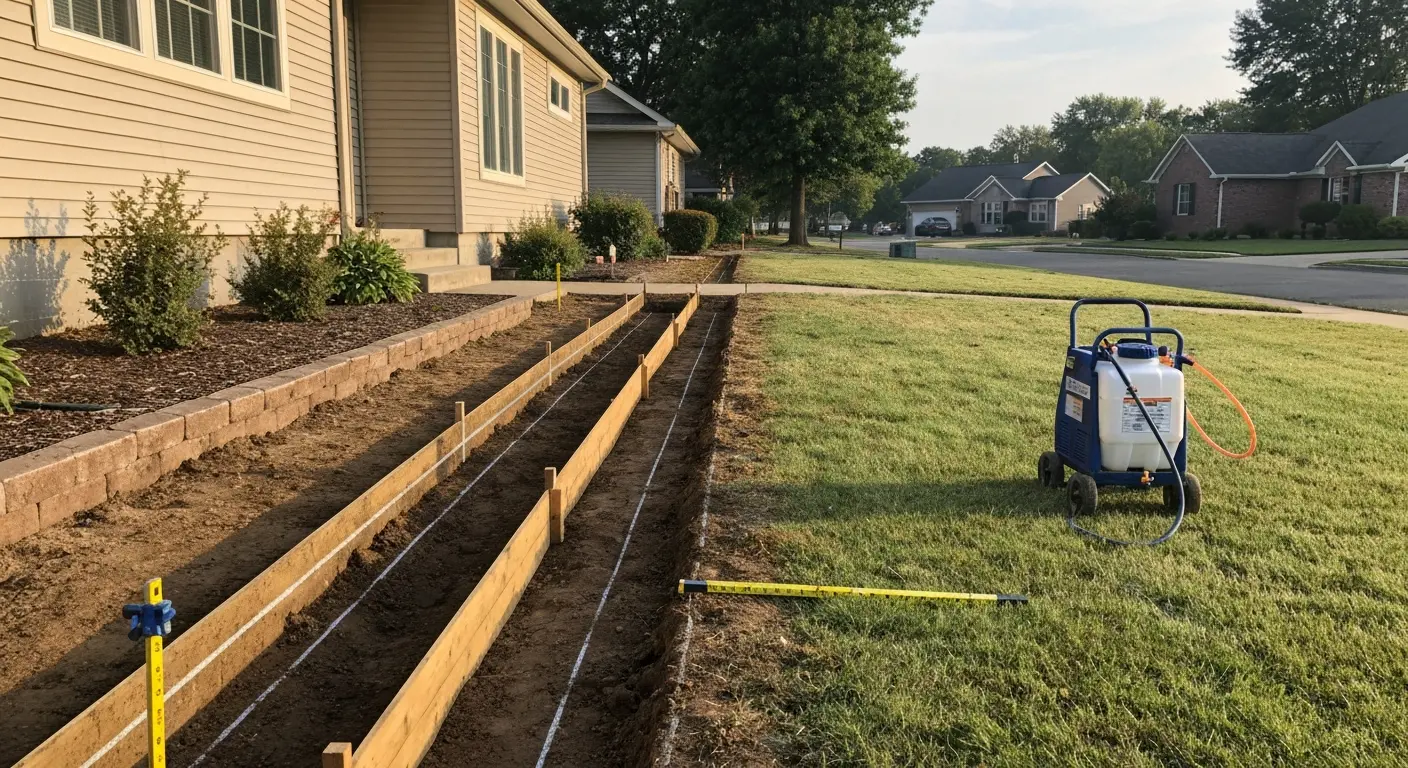
Perimeter barrier installation protecting a Greywood home
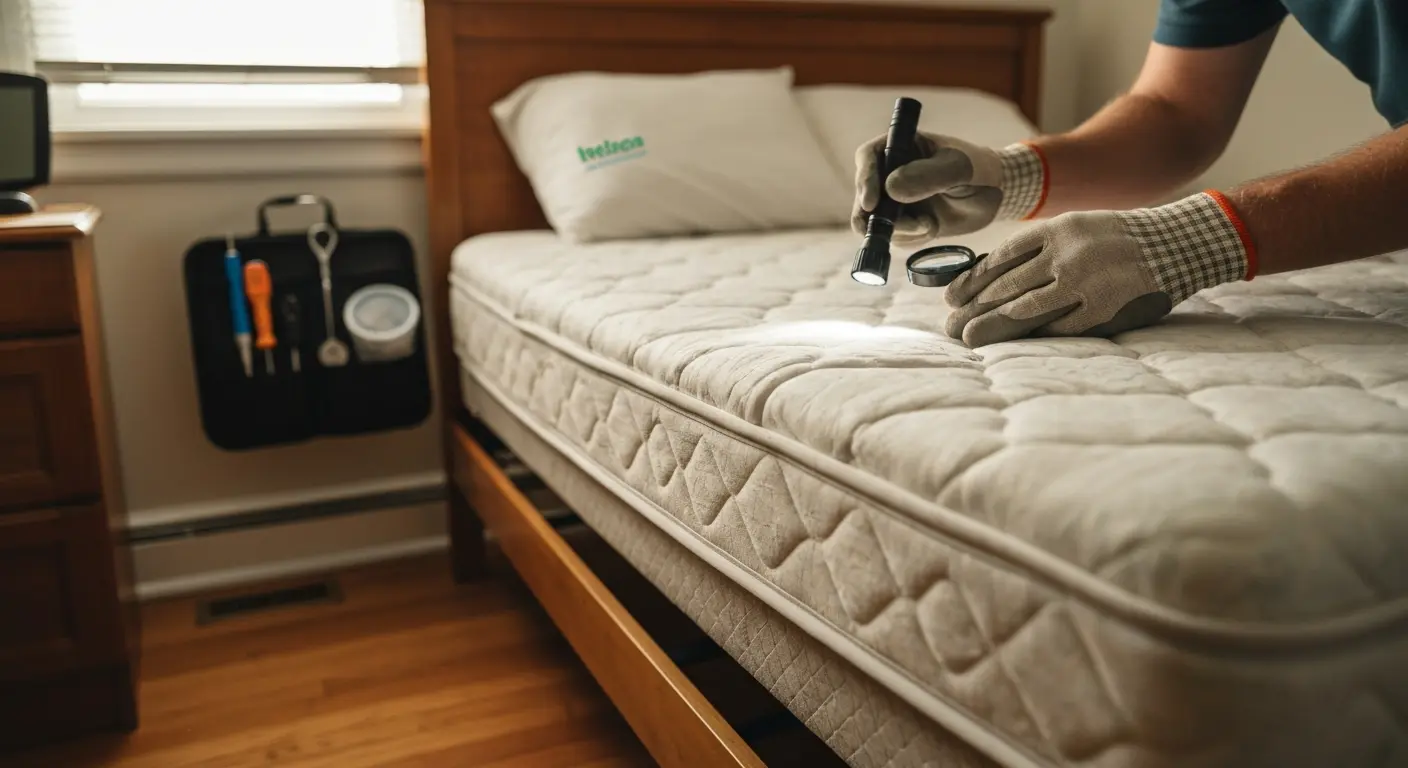
Close inspection for bed bug activity and hiding spots
Bed Bug Treatments
Bed bugs hide in rental homes, older wood-frame structures, and farmhouses across Pleasant Garden. We treat baseboards, furniture, and mattress seams thoroughly.
- Detailed inspections find hidden colonies
- Multi-treatment plans stop reinfestation
- Heat treatment option for severe cases
Commercial Pest Control
Businesses along Pleasant Garden Road and in Greywood need reliable, discreet pest management. We protect food stores, rental properties, and offices.
- Customized schedules around business hours
- Regulatory compliance and documentation
- Quarterly inspections and repeat treatment

Professional-grade treatment for local businesses
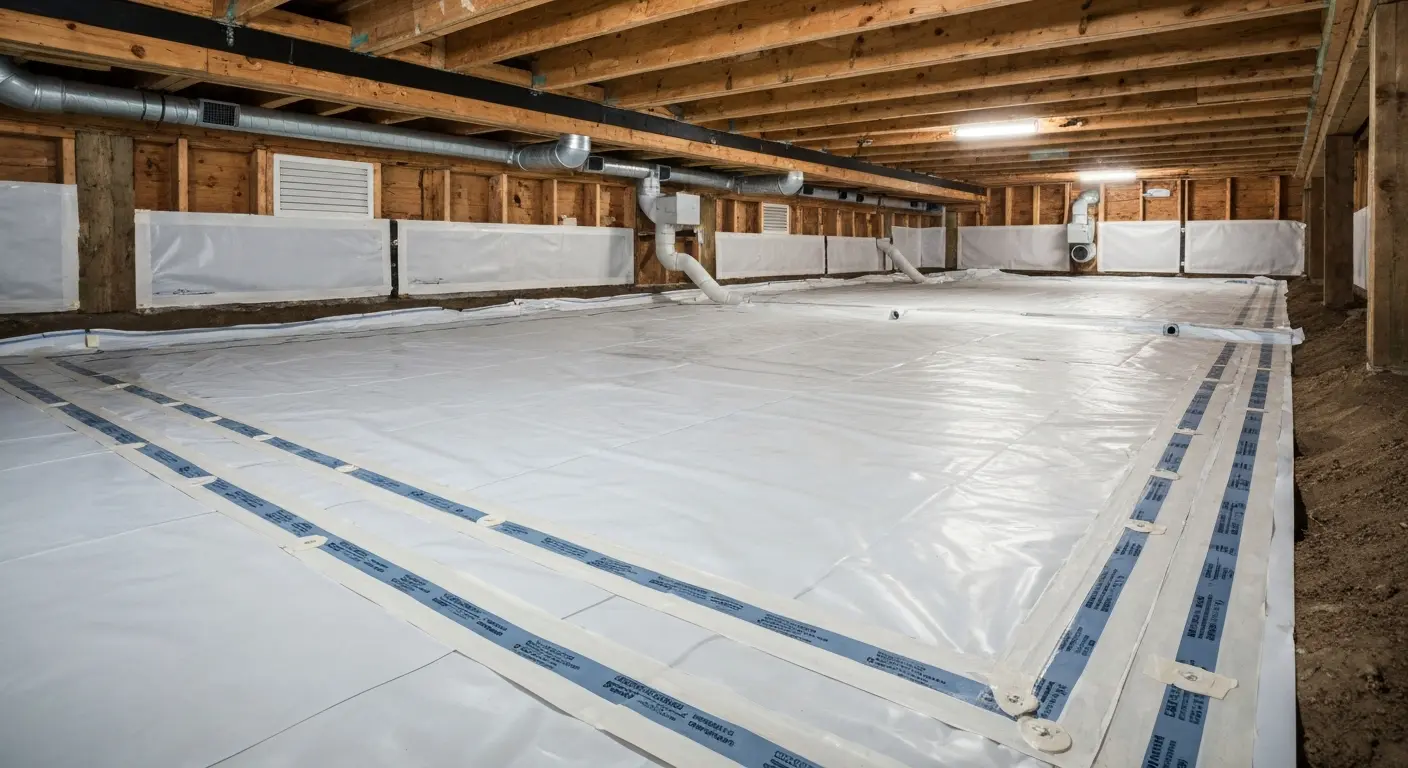
Crawlspace ventilation and drainage improvement
Moisture & Crawlspace Prevention
Wet crawlspaces and poor drainage invite termites. Our moisture assessment identifies standing water, failed gutters, and ventilation gaps under your home.
- Crawlspace evaluation and moisture mapping
- Gutter and downspout repair guidance
- Drainage and ventilation recommendations
Mosquito Reduction
Summer humidity in Pleasant Garden breeds mosquitoes around yards and standing water. We reduce populations with targeted yard treatments.
- Seasonal yard spraying for outdoor comfort
- Breeding site identification and elimination
- Pet-safe and family-friendly methods
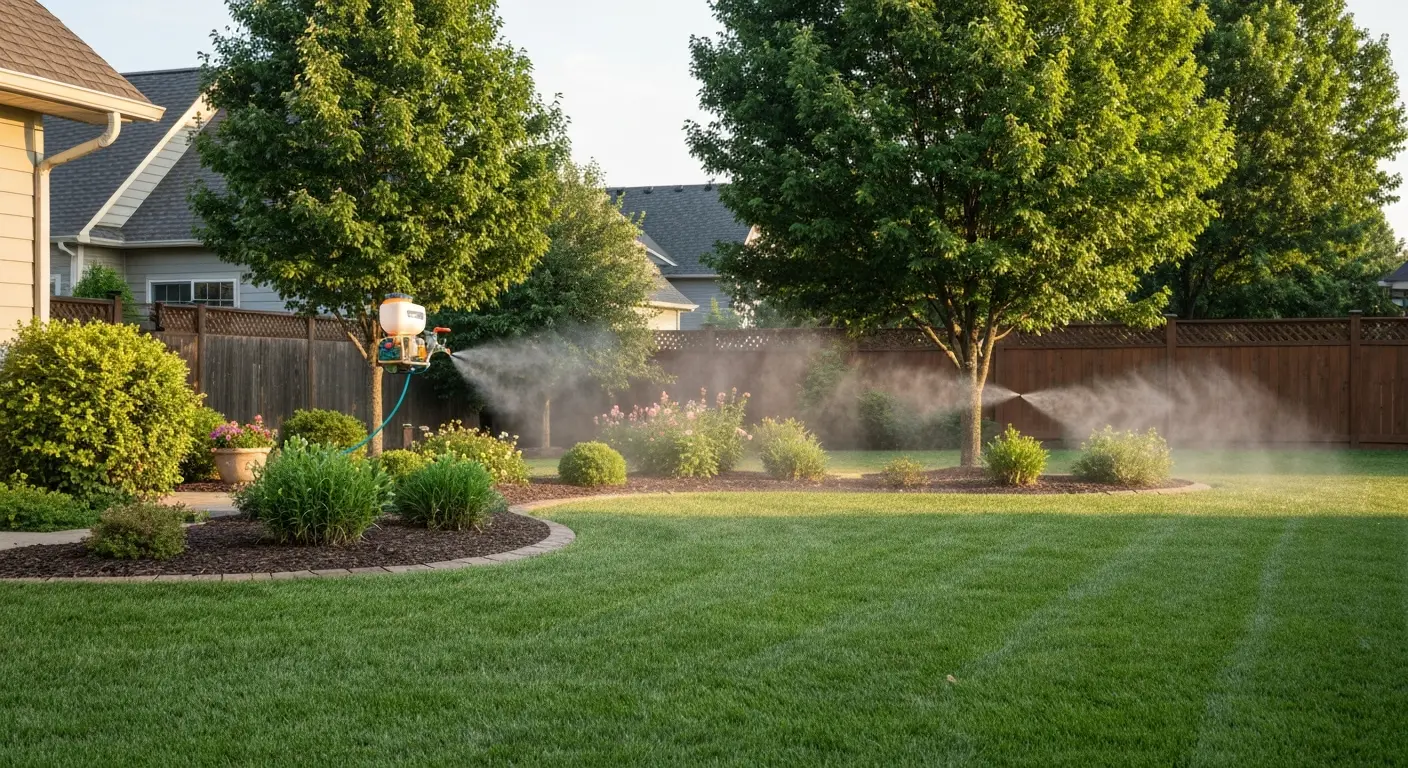
Yard treatment reduces mosquitoes through summer months

WDIR report documenting termite findings for real estate transaction
WDIR & Real Estate Inspections
Buyers and sellers in Pleasant Garden need certified termite inspection reports. We provide detailed WDIR documentation for all transactions.
- Official WDIR (Wood Destroying Insect Report)
- Rapid turnaround for closing deadlines
- Complete structural assessment and findings
Why Local Expertise Matters
North Carolina's warm, humid climate creates year-round termite activity. Pleasant Garden's mix of wood-frame ranch homes, older brick structures, and farmland means high risk year-round.
Subterranean termites form colonies underground and tunnel up through soil. Once spring temperatures hit 70°F, swarmers emerge looking for new homes. In Outer Pleasant Garden, wet crawlspaces amplify the threat. Mud tubes and hollow wood go unnoticed until structural damage spreads.
We know Pleasant Garden's building types, soil conditions, and spring weather patterns. Our inspections target the vulnerable zones—crawlspaces, foundations along clay-heavy Guilford County soil, and wood-frame perimeters. Early detection stops thousands in repair costs.
Peak Swarming Seasons Here
March through June is swarming season in Pleasant Garden. Warm days trigger mating flights. Discarded wings near windows signal active colonies. By late summer, new nests are already feeding. Our spring inspection and renewal protect you before the rush.
Serving Pleasant Garden & Nearby Areas
We operate across Guilford County and respond quickly to Pleasant Garden locations.
Pleasant Garden is a small, rural community with homes spread across pastures and farmland. From Greywood's subdivisions south of Greensboro to Outer Pleasant Garden near Randleman Road and US Route 421, we know the neighborhoods. Many homes sit on large lots with mature trees and foundations vulnerable to moisture.
Getting Here
We're local to the Triad and reach Pleasant Garden quickly. Call or text us with your address. We schedule inspections at your convenience—early morning before work, afternoons, or weekend slots. From Greensboro, take I-85 south toward US 421; Pleasant Garden sits just 8 miles south of downtown.
Frequently Asked Questions
What are the signs of termites in Pleasant Garden homes?
Look for pencil-width mud tubes on foundations and basement walls, piles of discarded wings near windows, hollow-sounding wood when tapped, and tiny ripple patterns in wooden surfaces. If you spot any, call immediately—damage can spread fast.
When do termites swarm near Pleasant Garden?
Peak swarming happens March through June when warm days reach 70°F. This is when new colonies search for homes. Preventive treatment in late winter stops swarmers before they arrive.
How long does termite treatment take?
A full perimeter treatment typically takes 4–6 hours depending on home size and crawlspace access. You can stay home during application. We'll brief you on what to expect and post-treatment care.
Do I need a WDIR report to sell my Pleasant Garden home?
Many buyers request a Wood Destroying Insect Report (WDIR) during the inspection period. We provide official, certified WDIR documents that satisfy lenders and closing agents. Contact us early to schedule before your deadline.
What's the best way to prevent termites in a crawlspace?
Fix leaks and gutters to reduce moisture, ensure crawlspace vents stay clear and unobstructed, and keep firewood and debris away from your foundation. Perimeter liquid barriers add a protective shield underground.
How often should I schedule termite inspections?
We recommend annual inspections in late winter (February–March) before swarming season. If you have an active treatment, we check it every 12 months to ensure the barrier is intact and termites haven't bypassed it.
DISCOVER WHAT OUR CUSTOMERS HAVE TO SAY ABOUT US
REVIEWS
proudly serving these areas
Archdale, NC
Asheboro, NC
Burlington, NC
Franklinville, NC
Greensboro, NC
High Point, NC
Jamestown, NC
Laurinburg, NC
READY TO take the next step?
get a free quote TODAY!
COMPANY
(336) 265-7881
QUICK LINKS
our services
service areas
operating HOURS
Mon: 8:00 am - 6:00 pm
Tue: 8:00 am - 6:00 pm
Wed: 8:00 am - 6:00 pm
Thu: 8:00 am - 6:00 pm
Fri: 8:00 am - 6:00 pm
Sat: Closed - Closed
Sun: Closed - Closed